Bob “the expert” Quesal joins Peter Reitzes to reflect on almost four decades of working in speech-language pathology. During the first half of today’s episode, Dr. Quesal is asked about some assorted topics which include the announcement that Speech Pathology Australia’s recent proposal to the Australian Treasury was rejected. Bob is then asked if our understanding of stuttering has improved during recent decades and about aggressive promotion of stuttering sites and products on social media. On the second half today’s episode, Bob is asked to discuss his reflections on a career in stuttering and speech-language pathology. Bob discusses ASHA and stuttering, the view that “everybody must acknowledge that there’s more to it [stuttering] than fluency,” the need for stuttering organizations to “continue to step up and provide educational opportunities” and that professionals “need to take advantage of those opportunities,” the importance of fluency specialists being vigilant in responding to potentially irresponsible internet claims and warnings about “political research.”
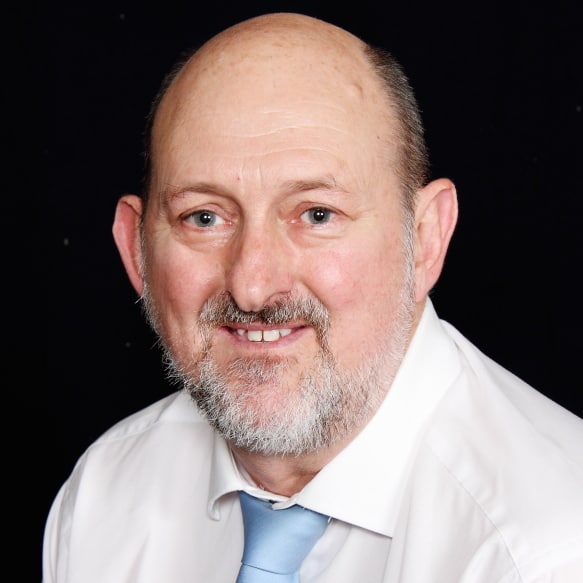
Robert Quesal, Ph.D., CCC-SLP is a person who stutters, a professor emeritus of Communication Sciences and Disorders at Western Illinois University, a fellow of the American Speech-Language Hearing Association (ASHA) and a retired board certified specialist in fluency disorders.
For background to the Speech Pathology Australia proposal, see this episode and show notes for related links.
Dr. Leana S. Wen, Health Commissioner of Baltimore
Dr. Leana Wen joins Peter Reitzes to discuss growing up with covert stuttering, learning to face stuttering openly, avoidance reduction therapy, the power of meeting others who stutter and so much more.
Claire Campbell joins Peter Reitzes to discuss her experiences with preschool stuttering treatment and her views on Speech Pathology Australia’s proposal to the Australian Government Department of Treasury.
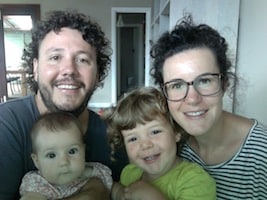
Claire Campbell is an ethnobotanist in Fremantle, Australia, a PhD candidate and full time mother of two gorgeous children. Her eldest child, Wellington, is currently receiving stuttering treatment.
On today’s episode, Ms. Campbell reported that after ten Lidcombe sessions, it was clear to her family that Lidcombe stuttering treatment was not working for them and they needed to seek other treatment approaches. Ms. Campbell shared that her family initially sought publicly offered speech therapy and was informed that Lidcombe would be used and that her family was not offered a choice of treatments. When Ms. Campbell questioned the use and continued use of Lidcombe treatment she was informed that she needed to change her attitude and accept Lidcombe. When receiving Lidcombe treatment, Ms. Campbell shared that while her son Wellington did not stutter during the 15 minutes a day of special talking time (of parent-administered treatment), his decreased stuttering did not transfer to spontaneous speaking situations. Ms. Campbell shared that one of their speech-language pathologists using Lidcombe thought that Wellington would benefit more from other preschool stuttering treatments, but she was required to use Lidcombe because of government funding and the rules of her clinic. During Lidcombe treatment, Ms. Campbell explained that Wellington’s stuttering increased and became more severe.
Ms. Campbell was asked about an individualized and family centered stuttering treatment approach she is using now for Wellington with a speech-language pathologist she recently found. Ms. Campbell explained that her family is much more comfortable with this approach and feels able to include relatives and teachers in the treatment. In just a week, Ms. Campbell reported Wellington’s new treatment has had a great positive impact on the family and that Wellington is feeling empowered and is responding well to treatment. Ms. Campbell described this as a positive parent/child/clinician therapeutic relationship.
At the end of the episode, Ms. Campbell expressed expressed great concern regarding Speech Pathology Australia’s proposal to the Australian Government Department of Treasury. For background, Jane Fraser, President of the Stuttering Foundation, described the issue in a recent statement:
“Australia’s professional association for speech pathology has recently submitted a proposal to the Australian government seeking to provide reimbursement for only a single type of stuttering treatment, creating a ‘one-size-fits-all’ policy for treating pre-school children who stutter. We find this proposal unthinkable and strongly oppose any policy action to limit choices to a single method by controlling government reimbursements for healthcare practitioners in any field…”
Ms. Campbell encouraged Speech Pathology Australia and professionals to consider the importance of each family unit when making treatment decisions and to “tailor treatment to the individual child.”
Related Links:
Kathy Viljoen’s letter to Speech Pathology Australia – link
Janet Beilby’s letter to Speech Pathology Australia – link
Speech Pathology Australia’s proposal/budget submission to the Australian Government for 2015-2016 – link
The Stuttering Foundation’s Response/Statement titled Another Blunder from Down Under – link
Craig Coleman’s post/petition – A Dangerous Precedent from Australia: What It Means and What Happens Next – link
Speech Pathology Australia’s Response/Statement – link
Michael Palin Centre for Stammering Children letter to Speech Pathology Australia – link
Craig Coleman’s ASHA blog post, A Controversial Proposal on Stuttering Treatment from Speech Pathology of Australia: What It Means and What Happens Next – link
ASHA blog post by Ann Packman, Mark Onslow and Deborah Theodoros – link
International Fluency Association Press Release – link
Lidcombe the only effective treatment in Australia? – link
Submission to the Community Affairs References Committee of the Senate – “An inquiry into the prevalence of different types of speech, language and communication disorders and speech pathology services in Australia” – link
A very important question to Onslow and Packman – link
Deborah Theodoros has been misinformed about the efficacy of Lidcombe – link
The Australian Budget Lidcombe Proposal Debate: A Primer in Memes – link
Charlotte Jolley in Perth, Australia joins Peter Reitzes to discuss being the mother of triplets who all received Lidcombe Stuttering Treatment. Sophia and Maddy recovered while Alex, now 8 years old, continues to stutter. Ms. Jolley reports that Alex received Lidcombe on-and-off for 3-4 years and participated in over 100 treatment sessions. Ms. Jolley expresses feeling that some of her previous speech-language pathologists gave up or “threw in the towel” on helping Alex. Ms. Jolley discussed feeling extremely pleased now that Alex is receiving treatment that focuses on acceptance, empowerment, meeting and learning from other children who stutter and easier ways of talking. After just a single session that focussed on acceptance, Alex is described as a “different boy.”
Charlotte Jolley
Ms. Jolley expressed great concern and dismay regarding Speech Pathology Australia’s proposal to the Australian Government Department of Treasury. Jane Fraser, President of the Stuttering Foundation, described the issue in a recent statement:
“Australia’s professional association for speech pathology has recently submitted a proposal to the Australian government seeking to provide reimbursement for only a single type of stuttering treatment, creating a ‘one-size-fits-all’ policy for treating pre-school children who stutter. We find this proposal unthinkable and strongly oppose any policy action to limit choices to a single method by controlling government reimbursements for healthcare practitioners in any field…”
Related Links:
Kathy Viljoen’s letter to Speech Pathology Australia – link
Janet Beilby’s letter to Speech Pathology Australia – link
Speech Pathology Australia’s proposal/budget submission to the Australian Government for 2015-2016 – link
The Stuttering Foundation’s Response/Statement titled Another Blunder from Down Under – link
Craig Coleman’s post/petition – A Dangerous Precedent from Australia: What It Means and What Happens Next – link
Speech Pathology Australia’s Response/Statement – link
Michael Palin Centre for Stammering Children letter to Speech Pathology Australia – link
Craig Coleman’s ASHA blog post, A Controversial Proposal on Stuttering Treatment from Speech Pathology of Australia: What It Means and What Happens Next – link
ASHA blog post by Ann Packman, Mark Onslow and Deborah Theodoros – link
International Fluency Association Press Release – link
Lidcombe the only effective treatment in Australia? – link
Submission to the Community Affairs References Committee of the Senate – “An inquiry into the prevalence of different types of speech, language and communication disorders and speech pathology services in Australia” – link
A very important question to Onslow and Packman – link
Deborah Theodoros has been misinformed about the efficacy of Lidcombe – link
The Australian Budget Lidcombe Proposal Debate: A Primer in Memes – link
Kristel Kubart joins Peter Reitzes to discuss marriage and stuttering, learning from people who stutter, cerebral palsy and stuttering, advice to speech-language pathologists and much more.
Kristel Kubart, MA CCC-SLP is a person who stutters and a speech-language pathologist at the American Institute for Stuttering in Manhattan and in the New York City public schools. Kristel is very active with self-help organizations for people who stutter.
Peter Dhu joins Peter Reitzes to discuss a recent proposal by Speech Pathology Australia (SPA) which has many professionals, people who stutter and consumer advocates concerned. In an ASHA blog post, Craig Coleman explains this serious issue:
“Recently, Speech Pathology Australia (the national speech-language pathology association of Australia) submitted a proposal to the Australian Government Department of Treasury that would require Medicare rebates be made available for children who stutter, but only if they are treated using the Lidcombe Program.”
Peter Dhu is a person who stutters and is passionate about helping people find their voice so that they can contribute to society in the way they wish to. Mr. Dhu was a Consumer Representative on Speech Pathology Australia’s Professional Standards and Ethics Board, has previously been president of the Australian Speak Easy Association (ASEA) for six years and is a life member of the ASEA. Mr. Dhu is currently president of the Western Australian Speak Easy Association.
StutterTalk covered this issue at length on Episodes 502 and 508. For a brief and creative background on this issue, check out Katie Gore’s amazing summary The Australian Budget Lidcombe Proposal Debate: A Primer in Memes. Today, Peter Dhu discusses these issues from his self help and consumer advocacy viewpoint.
Related Links:
Kathy Viljoen’s letter to Speech Pathology Australia – link
Janet Beilby’s letter to Speech Pathology Australia – link
Speech Pathology Australia’s proposal/budget submission to the Australian Government for 2015-2016 – link
The Stuttering Foundation’s Response/Statement titled Another Blunder from Down Under – link
Craig Coleman’s post/petition – A Dangerous Precedent from Australia: What It Means and What Happens Next – link
Speech Pathology Australia’s Response/Statement – link
Michael Palin Centre for Stammering Children letter to Speech Pathology Australia – link
Craig Coleman’s ASHA blog post, A Controversial Proposal on Stuttering Treatment from Speech Pathology of Australia: What It Means and What Happens Next – link
ASHA blog post by Ann Packman, Mark Onslow and Deborah Theodoros – link
International Fluency Association Press Release – link
Lidcombe the only effective treatment in Australia? – link
Submission to the Community Affairs References Committee of the Senate – “An inquiry into the prevalence of different types of speech, language and communication disorders and speech pathology services in Australia” – link
A very important question to Onslow and Packman – link
Deborah Theodoros has been misinformed about the efficacy of Lidcombe – link
The Australian Budget Lidcombe Proposal Debate: A Primer in Memes – link
StutterTalk® is a 501 (c)(3) non-profit organization dedicated to talking openly about stuttering. StutterTalk is the first and longest running podcast on stuttering. Since 2007 we have published more than 700 podcasts which are heard in 180 countries.








17 May 2015
Stuttering: Reflections on a Career and Assorted Topics (Ep. 514)
Podcast: Play in new window | Download
Subscribe: Apple Podcasts | Google Podcasts | Stitcher | TuneIn | RSS
Bob “the expert” Quesal joins Peter Reitzes to reflect on almost four decades of working in speech-language pathology. During the first half of today’s episode, Dr. Quesal is asked about some assorted topics which include the announcement that Speech Pathology Australia’s recent proposal to the Australian Treasury was rejected. Bob is then asked if our understanding of stuttering has improved during recent decades and about aggressive promotion of stuttering sites and products on social media. On the second half today’s episode, Bob is asked to discuss his reflections on a career in stuttering and speech-language pathology. Bob discusses ASHA and stuttering, the view that “everybody must acknowledge that there’s more to it [stuttering] than fluency,” the need for stuttering organizations to “continue to step up and provide educational opportunities” and that professionals “need to take advantage of those opportunities,” the importance of fluency specialists being vigilant in responding to potentially irresponsible internet claims and warnings about “political research.”
Robert Quesal, Ph.D., CCC-SLP is a person who stutters, a professor emeritus of Communication Sciences and Disorders at Western Illinois University, a fellow of the American Speech-Language Hearing Association (ASHA) and a retired board certified specialist in fluency disorders.
For background to the Speech Pathology Australia proposal, see this episode and show notes for related links.