Craig Coleman, M.A., CCC-SLP, BRS-FD, joins Peter Reitzes to discuss working with school age children who stutter and preschoolers who stutter and the clinician’s acceptance of stuttering. Craig is asked about a journal he plans to launch which will focus on case studies and about an online support group for teens and children who stutter he is working on with the National Stuttering Association. Mr. Coleman authored (with J. Scott Yaruss and Robert Quesal) a letter to the editor in which they responded to a recent editorial written by Marilyn Nippold. StutterTalk covered this topic during episodes 372 and 373 and Mr. Coleman is asked at the top of the show to weigh in on the editorial and response letters. The episode concludes with Craig being asked about why he does not regularly adopt Lidcombe and other response-contingency approaches into treatment.
Craig Coleman is an assistant professor at Marshall University and a Board-Recognized Specialist in fluency Disorders (BRS-FD). Craig is currently serving his second term as President of the Pennsylvania Speech-Language-Hearing Association and also serves on the Scientific and Professional Education Board of the American Speech-Language-Hearing Association (ASHA). For twelve years, Craig was a pediatric speech-language pathologist at Children’s Hospital of Pittsburgh, where he served as a Clinical Coordinator in the Department of Audiology and Speech-Language Pathology and Co-Director of the Stuttering Center of Western Pennsylvania Craig is an adjunct instructor at Indiana University of Pennsylvania and Duquesne University. Craig Coleman was second author (with Scott Yaruss and Bob Quesal) in responding to the Marilyn Nippold editorial that StutterTalk has been covering.
References:
Yaruss, J.S., Coleman, C., & Hammer, D. (2006). Treating preschool children who stutter: Description and preliminary evaluation of a family-focused treatment approach. Language, Speech, and Hearing Services in Schools, 37, 118-136.
CARYN HERRING, ROISIN MCMANUS, and JOEL KORTE (the “Stuttertalk B Team”) go around the table and discuss the latest happenings in their life. Caryn talks about the nature of self-advertising with her job, and how it can be uncomfortable at times. Joel introduces “Speech Tool Guy,” a character/concept that he has developed to help him manage his speech. Lastly, Roisin discusses about how Hurricane Sandy has affected her job and ultimately her stuttering.
Robert “the Expert” Quesal joins Peter Reitzes to respond to Marilyn A. Nippold’s appearance last week on StutterTalk episode 372 in which she argued that focusing on overt stuttering should be the primary treatment goal for school-age children who stutter. Bob and Peter respond by discussing the importance of valuing the speaker’s experience of stuttering, valuing the common and often shared experiences of people who stutter and conducting research that comprehensively targets the needs of people who stutter. Bob shares his “car veering right analogy” to help listeners better appreciate and empathize with the speaker’s experience of stuttering.
ROBERT QUESAL, Ph.D., CCC-SLP is a professor of Communication Sciences and Disorders at Western Illinois University, a person who stutters, a board recognized fluency specialist and a fellow of the American Speech-Language-Hearing Association.
Listed below are some of the articles and references mentioned during today’s episode. StutterTalk attempted to list them in the order they were mentioned on air.
Yaruss, J.S., Coleman, C.E., & Quesal, R. W. (2012). Stuttering in school-age children: A Comprehensive approach to treatment. Language, Speech, and Hearing Services in Schools, 43, 536-548.
Andrews, C., O’Briana, S., Harrison, E., Onslow, M., Packman, A., & Menzies, R. (2012). Syllable-timed speech treatment for school-age children who stutter: A phase I trial. Language, Speech, and Hearing Services in Schools, 43, 359-369
Dr. Marilyn A. Nippold joins Peter Reitzes to discuss stuttering and research pertaining to school age children who stutter. Their conversation is based on a recent editorial by Dr. Nippold and response letters in the journal Language, Speech and Hearing Services in Schools. Topics includes evidence based practice and types of evidence in stuttering treatment, if fluency should be the first and primary goal for all children who stutter, Lidcombe treatment for school age children, acceptanceand much more.
Dr. MARILYN A. NIPPOLD, PhD, CCC-SLP is the current editor of the journal Language Speech and Hearing Services in Schools and has been a professor in the Communication Disorders and Sciences department at the University of Oregon since 1982, where she has taught and conducted research in language development, language disorders, and stuttering. Dr. Nippold has published more than 90 journal articles and has received numerous awards. Just last week Dr. Nippold received an award in Teaching and Research by the Oregon State Speech-Language and Hearing Association.
PETER REITZES, MA CCC-SLP is a person who stutters and a speech-language pathologist. Peter has worked full time in the schools for more than a decade, in private practice, and has taught graduate level stuttering courses at three universities in New York City.
Listed below are many of the articles and links mentioned during today’s episode. StutterTalk attempted to list them in the order they were mentioned on air.
Yaruss, J.S., Coleman, C.E., & Quesal, R. W. (2012). Stuttering in school-age children: A Comprehensive approach to treatment. Language, Speech, and Hearing Services in Schools, 43, 536-548.
Frymark, T., Venedoktov, R. & Wang, B. (2010). Effectiveness of interventions for preschool children with fluency disorders: A comparison of direct versus indirect treatments. Downloaded from the ASHA website.
CARYN HERRING, ROISIN MCMANUS, and JOEL KORTE (the “Stuttertalk B Team”) reconnect by recording their first show with all three of them for some time. Roisin starts off the show by sharing how her relationship with friends, family, and co-workers has changed after they have read her chapter in the new Stuttertalk book. Joel discusses some of the transitions in his life as well as the process of change. Caryn wraps up the show with a discussion about why some stuttering feels uncomfortable and other stuttering may not.
Dr. Scott Yaruss, PhD, CCC-SLP, BRS-FD, joins Peter Reitzes to discuss his recently published chapter titled What Does it Mean to Say that a Person Accepts Stuttering in Stuttering: Inspiring Stories and Professional Wisdom.
J. SCOTT YARUSS is a StutterTalk adviser, a Board Recognized Fluency Specialist, a fellow of the American Speech Language Hearing Association, an associate professor and director of the Master’s Degree programs in Speech-Language Pathology in the Department of Communication Science and Disorders at the University of Pittsburgh. In addition to numerous articles, chapter and books, Dr. Yaruss has published the Overall Assessment of the Speaker’s Experience of Stuttering (OASES), a comprehensive evaluation tool for children, adolescents, and adults who stutter. He has been named Speech-Language Pathologist of the Year by the National Stuttering Association.
StutterTalk® is a 501 (c)(3) non-profit organization dedicated to talking openly about stuttering. StutterTalk is the first and longest running podcast on stuttering. Since 2007 we have published more than 700 podcasts which are heard in 180 countries.








21 Nov 2012
Working with Children Who Stutter and the Clinician’s Acceptance of Stuttering (375)
Podcast: Play in new window | Download
Subscribe: Apple Podcasts | Google Podcasts | Stitcher | TuneIn | RSS
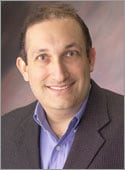
Craig Coleman, M.A., CCC-SLP, BRS-FD, joins Peter Reitzes to discuss working with school age children who stutter and preschoolers who stutter and the clinician’s acceptance of stuttering. Craig is asked about a journal he plans to launch which will focus on case studies and about an online support group for teens and children who stutter he is working on with the National Stuttering Association. Mr. Coleman authored (with J. Scott Yaruss and Robert Quesal) a letter to the editor in which they responded to a recent editorial written by Marilyn Nippold. StutterTalk covered this topic during episodes 372 and 373 and Mr. Coleman is asked at the top of the show to weigh in on the editorial and response letters. The episode concludes with Craig being asked about why he does not regularly adopt Lidcombe and other response-contingency approaches into treatment.
Craig Coleman is an assistant professor at Marshall University and a Board-Recognized Specialist in fluency Disorders (BRS-FD). Craig is currently serving his second term as President of the Pennsylvania Speech-Language-Hearing Association and also serves on the Scientific and Professional Education Board of the American Speech-Language-Hearing Association (ASHA). For twelve years, Craig was a pediatric speech-language pathologist at Children’s Hospital of Pittsburgh, where he served as a Clinical Coordinator in the Department of Audiology and Speech-Language Pathology and Co-Director of the Stuttering Center of Western Pennsylvania Craig is an adjunct instructor at Indiana University of Pennsylvania and Duquesne University. Craig Coleman was second author (with Scott Yaruss and Bob Quesal) in responding to the Marilyn Nippold editorial that StutterTalk has been covering.
References: